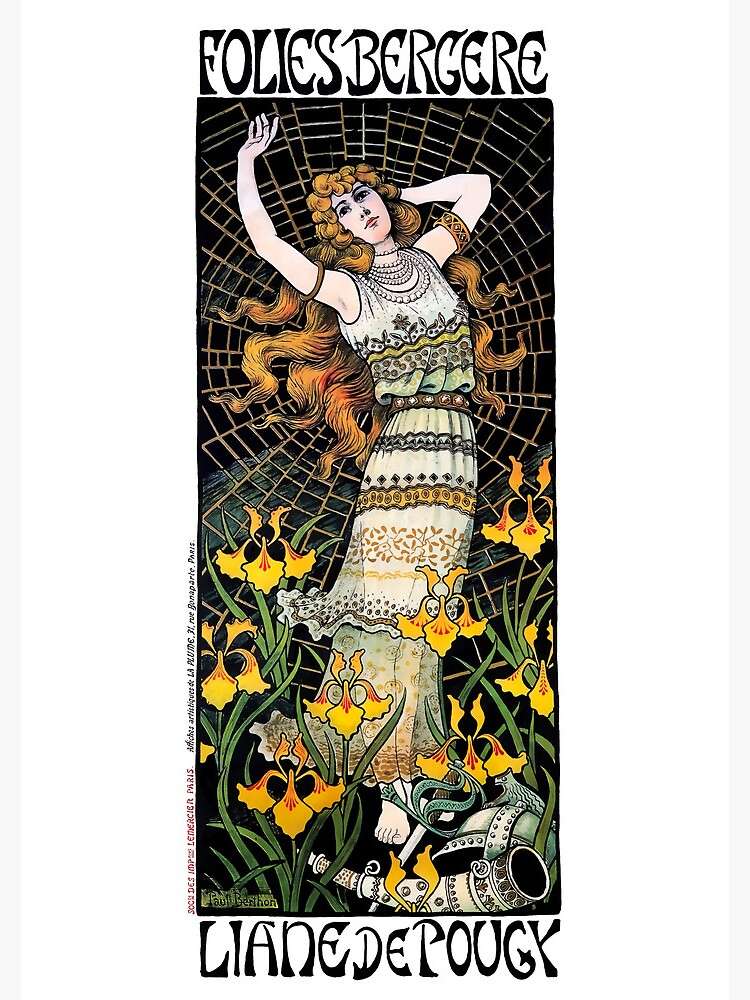
Cabaret cards flooded the correspondence. Photography became, from the end of the 19th century, a form of flirtation and self-promotion for the demi-mondaines and cafe-hall artists.
In a Paris perpetually awash with parties and daily performances in cafés, theatres and nightclubs—featuring can-can, vaudeville and cabaret—the number of aspiring queens of hearts seemed endless. Their extravagant cabaret costumes competed in fantasy and flamboyance, each striving to stand out. Yet by 1900, the title of queens of the Belle Époque had long been claimed by four world-renowned women:
- Liane de Vries
- Caroline Otero
- Emilienne d’Alençon
- Liane de Pougy

The cabaret cards of the four aces
These four stood apart from other celebrated names in music hall and dance, such as Cléo de Mérode or Loïe Fuller. Their distinction came not only from onstage brilliance, but also from securing a place among the wealthiest and most powerful. They achieved this through romantic entanglements and societal connections.
Known as the quintessential demi-mondaines of La Belle Époque, each woman carved out a niche in elite circles across Europe (including Russia) and the United States. They gained access through tours and performances. Their popularity went beyond the stage. It extended to a flourishing trade in collectible cards—portraits in cabaret attire, captured in an array of poses and personas.
These women dominated magazines, frequented Maxim’s, and became ubiquitous in printed memorabilia and photographs. Their fame skyrocketed as they developed parallel personas: acclaimed performers and scandalous lovers. La Belle Otero, for instance, earned the chilling nickname The Siren of Suicides. With more than six reported deaths attributed to her romantic rejections.
The list of their “conquests” spanned kings, politicians, Russian princes, and tycoons from every corner of the globe. Some even fought duels over them or named them universal heirs. Meanwhile, their cabaret cards circulated worldwide as playful keepsakes of their exploits among the elite.
But where was the art in all this gossip?
Most of these women retired after the First World War. Changing tastes and evolving societal norms left little room for ageing divas—many nearing or surpassing forty. From around 1910, public interest began to wane, and by 1912, news of some had all but disappeared. By then, they were powerful women. Some having amassed considerable wealth, while others had lost everything in their quest for independence. Such was the fate of La Goulue, once one of the most iconic can-can dancers.
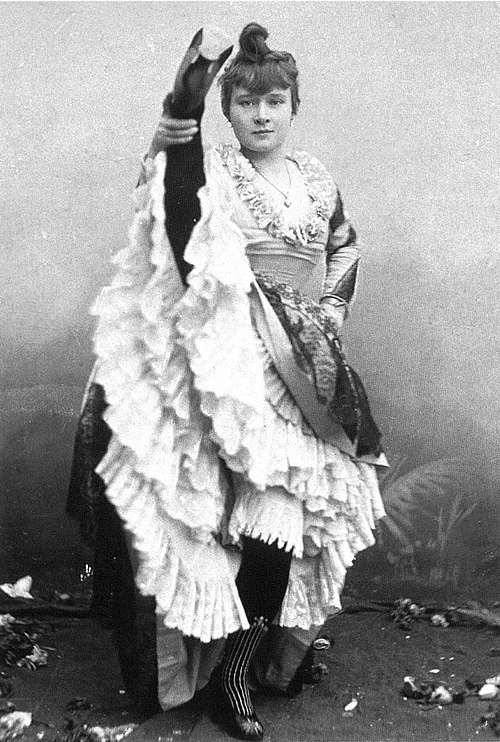
What Do We Really Know About the Demi-Mondaines?
In truth, very little. Many shared humble origins they rarely wished to reveal. Despite their fame, basic facts such as their birth and death dates, real names or places of origin often remain unknown. Dubbed “the queens of Paris” by the press (a title that appears, for instance, in La Fronde, 15 March 1898, Deuxième Année, No. 10), mystery was as central to their identity as public appearances and scandal.
Whenever possible, these women took control of their own narratives, rewriting them in romantic or self-serving tones to enhance the aura of luxury and glamour they cultivated. Their cabaret card sessions were carefully staged productions, designed to feed the myth of their demi-mondaine personas.
Became a walking work of art
Unlike contemporaries such as Yvette Guilbert, La Goulue or Jane Avril—who distinguished themselves through unique dance or singing styles—the demi-mondaines poured their creative energies into transforming their private lives into spectacular, living works of art. Much like the dandies of the time.
For this reason, even their autobiographies—when written or dictated—must be approached with caution. Facts were bent or omitted in favour of creating their greatest masterpiece: their own image. Liane de Pougy was a true virtuoso in this regard. More than anyone, she shaped the public understanding of the demi-mondaine world, not through factual accuracy but through seductive narrative.
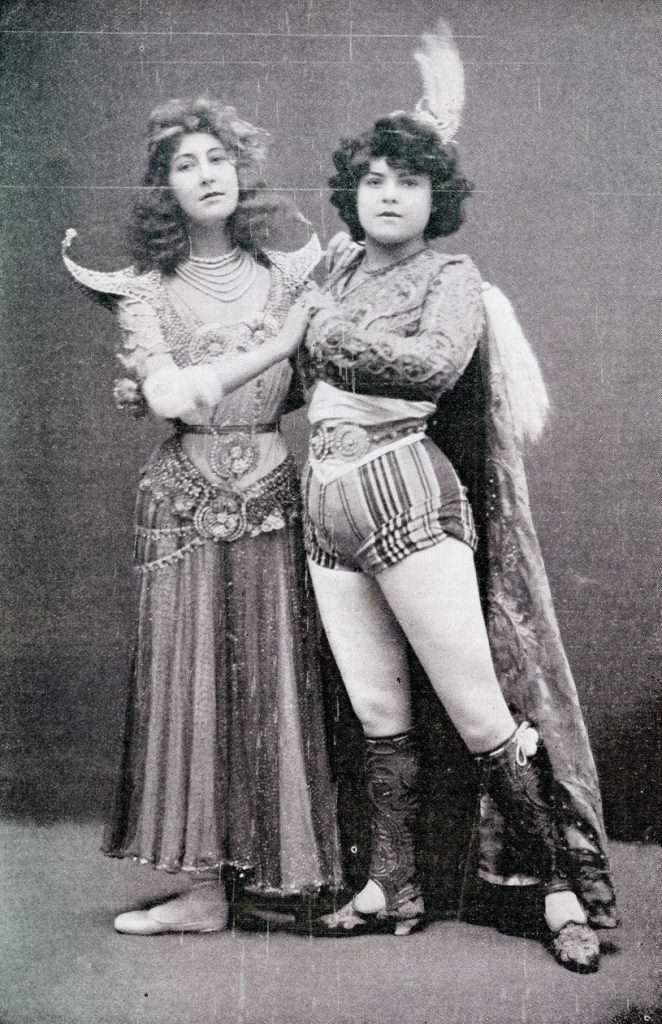
Like her lesser-known predecessor, De la Bigne, Liane de Pougy turned her life into literature. In 1898, her debut novel L’Insaisissable was serialised in the popular paper Gil Blas. This was followed by Idylle (1901), which explored same-sex relationships among demi-mondaines, and the comedy L’Enlizement. Their success—fuelled by titillating detail and veiled autobiography—led to five more novels by 1908. All cloaked in a tone of hypocritical morality. This approach clashed with the spirit of more uninhibited peers like La Belle Otero but chimed well with the social mores of the time, explaining its widespread popularity.
In 1904, Pougy became editor of the magazine L’Art d’être Jolie (“The Art of Being Pretty”), which ran for 25 issues until 1905. However, it is her more intimate work, published posthumously, that truly reveals her inner life. Mes Cahiers Bleus (1977) offers insight into her world between 1919 and 1941, blending reflections on La Belle Époque, portraits of friends and acquaintances, and spiritual musings.
Were the Demi-Mondaines True Artists?
Some scholars have hesitated to acknowledge demi-mondaines as genuine artists on par with figures like Sarah Bernhardt or Réjane (Gabrielle-Charlotte Réju). Yet it’s worth remembering that Bernhardt herself was the daughter of a cocotte and may have experienced a similar phase before achieving fame. This biographical link, albeit a generation earlier, also connects with Cléo de Mérode’s origins.
It is uncommon to credit demi-mondaines with authorship of their own choreographies or performances, despite the fact that many—led by Liane de Pougy—demonstrated considerable intellect by writing novels, poetry, and editing publications. They were also passionate collectors of art and mingled with some of the most celebrated writers, composers, and visual artists of their time.
Only in recent decades has academic interest turned towards their cabaret cards and other memorabilia, recognising their success in transforming themselves into walking, breathing works of art—embodiments of Art Nouveau, both on and off the stage.