Art Nouveau—known variously as Modernism, Liberty Style, or the Floreale Style—was one of the most captivating total art movements in the history of art. Emerging alongside the technological advances and new materials of the Industrial Revolutions, it found its greatest source of inspiration in nature.
Cabaret Cards and Collectibles – Portraits of Demi-Mondaines from La Belle Époque
During this era, Paris truly became the City of Light, establishing itself not only as the artistic capital of Europe but of the world. Universal Exhibitions, cutting-edge fashion, and vibrant theatre scenes all looked to Paris as their cultural epicentre. The city’s influence extended through all kinds of popular media, especially collectibles that aimed to capture every fleeting moment of glamour and brilliance.
This was the golden age of La Belle Époque—a period of elegance and exuberance before the devastation of the First World War. It was a time that gave rise to some of the most enchanting and influential women of the era: the muses of La Belle Époque.
Muses of La Belle Époque
Closely associated with the world of entertainment, these women graced the most fashionable restaurants, theatres, and nightclubs of the late 19th and early 20th centuries. Their lives and personas were immortalised in carefully staged photo sessions. Resulting in highly sought-after collectibles—particularly cabaret cards.
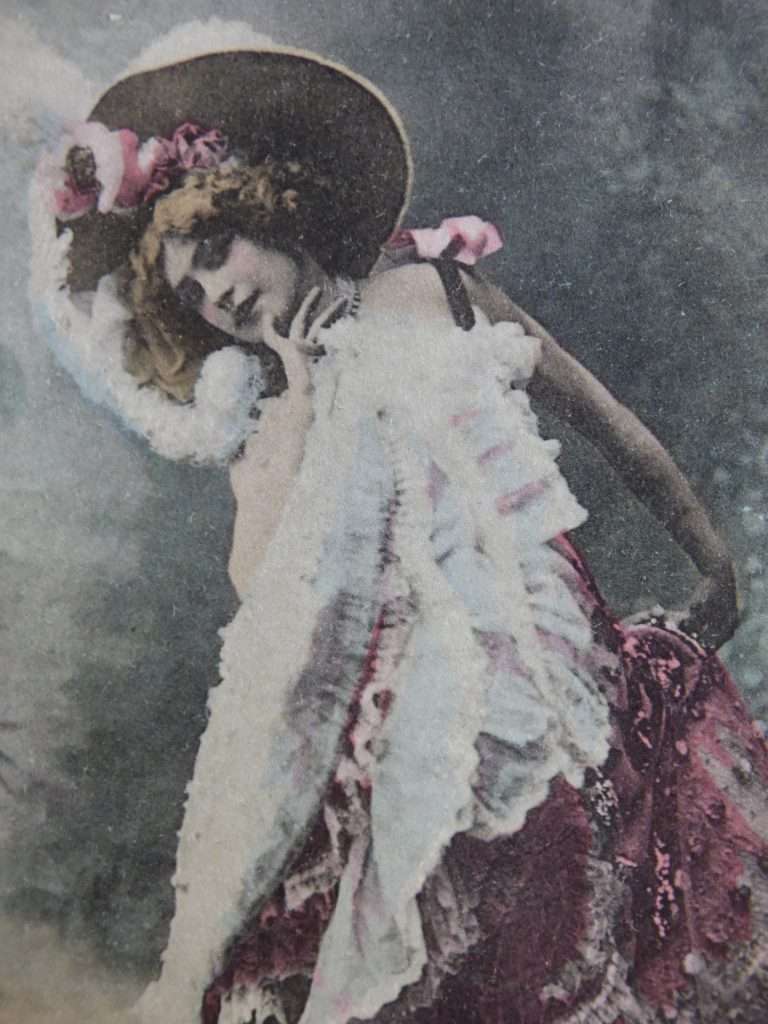
They were also tabloid sensations. Illustrated magazines such as Gil Blas regularly featured them, often with a dose of gossip or scandal. Readers were equally enthralled by details of their off-stage antics and the opulent costumes they wore on stage.
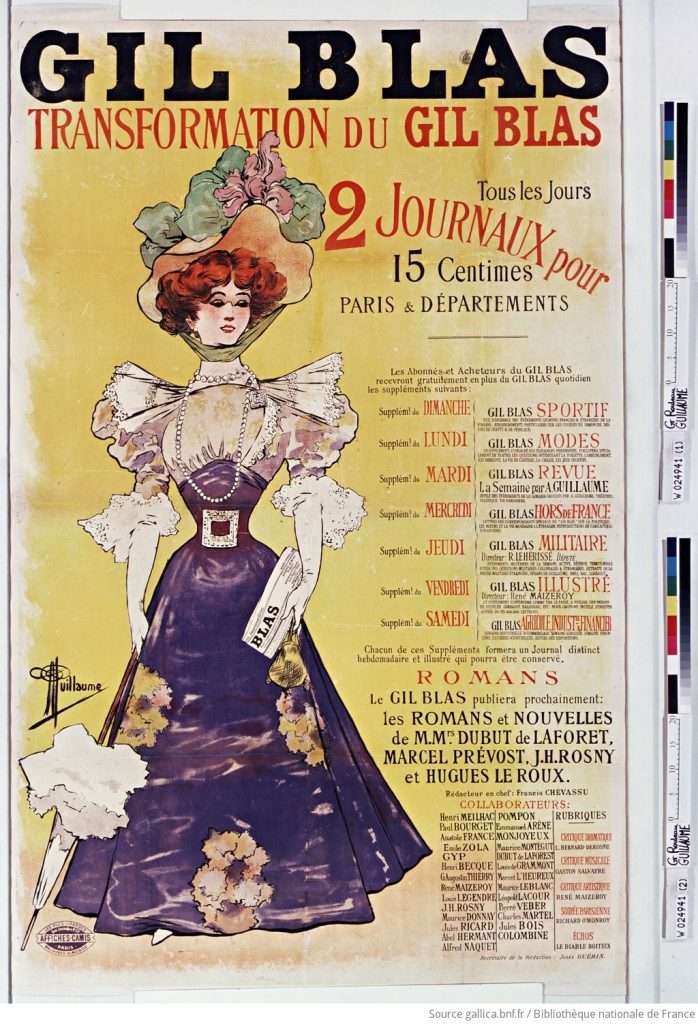
These muses of La Belle Époque —beautiful, admired, and above all, brimming with talent and charisma—left behind a remarkable visual legacy. Their presence lives on in a wealth of graphic material: glamorous photographs from the leading studios of the day (including Reutlinger, Walery, Sazerac, Alterocca, and Paul Boyer), as well as posters, women’s magazines, weekly publications, and above all, cabaret cards.
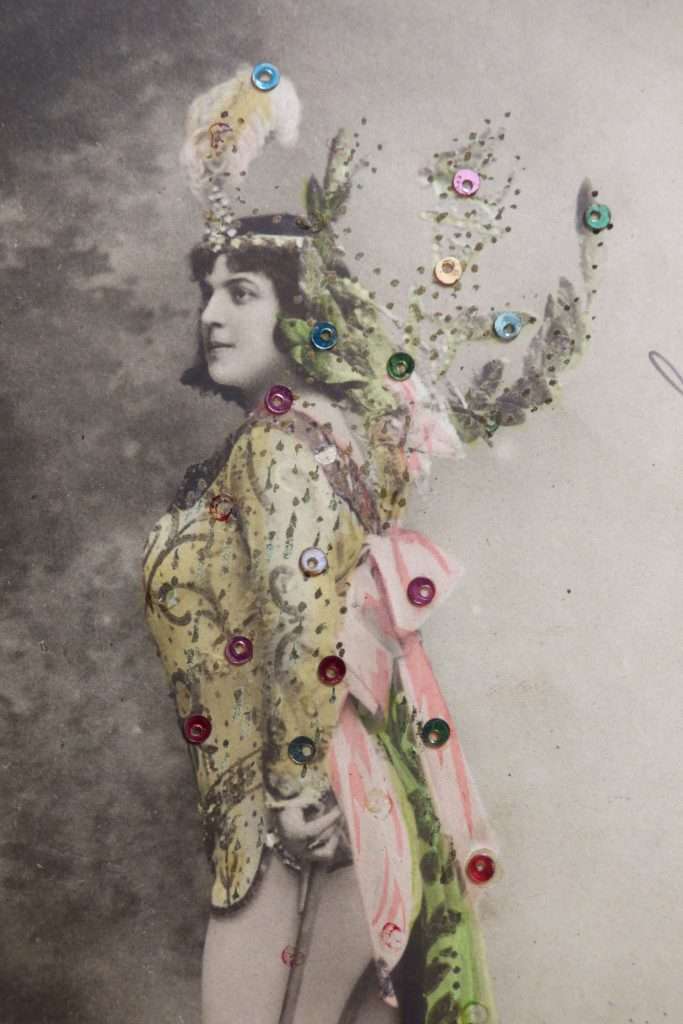
Prints produced these vintage postcards, often hand-coloured and sometimes embellished with glitter, rhinestones, or sequins, in large quantities. More than a century later, they remain widely collected and deeply treasured. Their intricate detail, striking poses, and the stories behind the portraits continue to fascinate collectors and admirers alike.
What is a Demi-Mondaine?
From the perspective of conservative society, a demi-mondaine was essentially a paid mistress. However, during La Belle Époque, they became much more than that. The muses of La Belle Époque were singers, dancers, actresses, and entertainers—figures who masterfully blended the glamour of the stage with an active social life that often elevated them to the highest social circles.
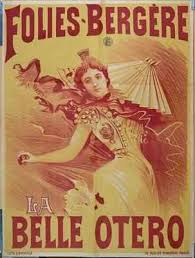
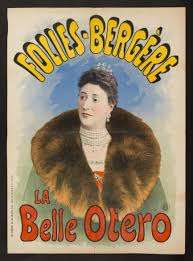
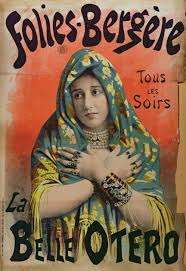
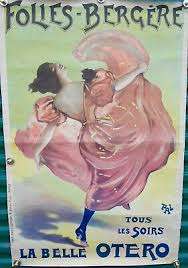
Cecil Beaton once described them as “social orchids”—ever charming, beautiful, witty, and ready to embrace luxury, opulence, and extravagance. Though many considered them frivolous, that was far from the whole truth. Most demi-mondaines cultivated a strong public identity through a blend of personality and aesthetics. When they wished—and circumstances allowed—they left a lasting legacy. One of their most powerful tools was the postcard album, a medium through which they constructed their public image over years of carefully posed photography.
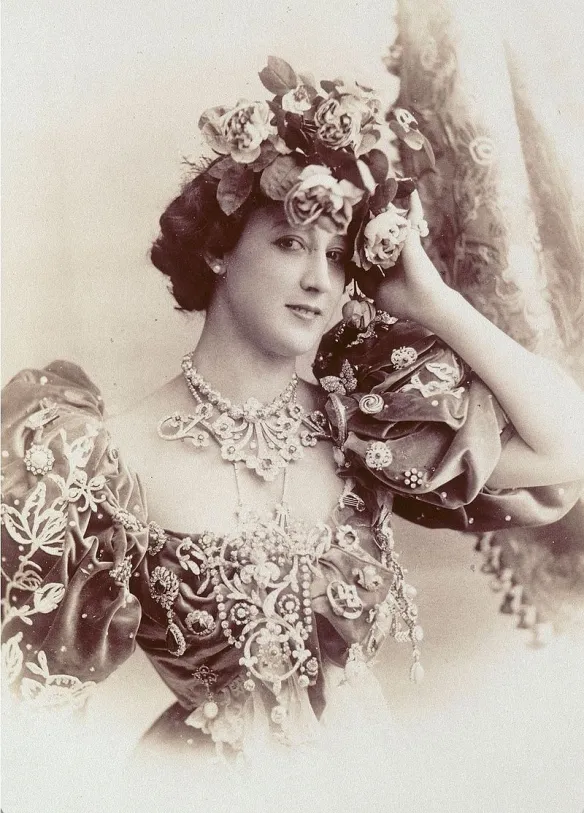
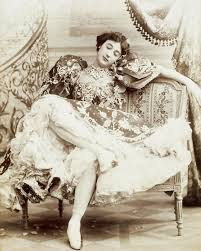
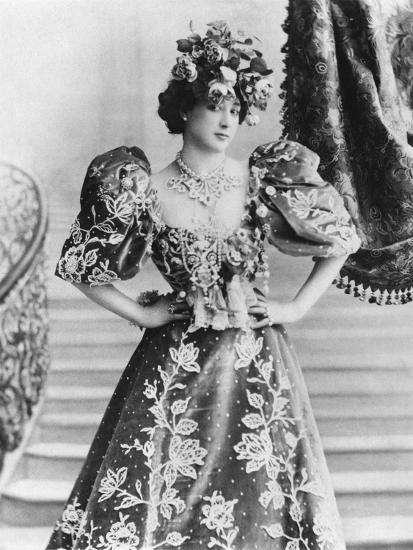
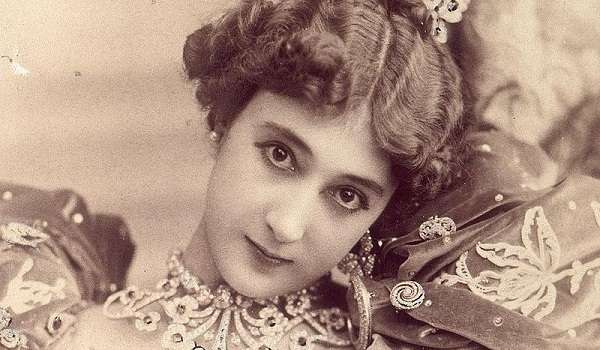
In some ways—and allowing for the considerable cultural distance—the demi-mondaines of the late 19th and early 20th centuries could be seen as the European equivalent of geishas. But they were marked by a greater freedom: sexual autonomy. With an emphasis on individualism, and in many cases, the amassing of vast personal wealth, which made them unique.
Not a geisha, not a courtesan, not even a prostitute!
Since the 18th century, French women engaged in prostitution were understood to belong to various social tiers. At the lowest end were the lorettes, involved in clandestine prostitution and subject to harsh punishment. That included having their hair forcibly shaved. These women lived in constant insecurity. Frequently exposed to arrest for soliciting in public and entirely unprotected by law or society.
A step above were the grisettes, typically young women linked to the garment industry—seamstresses, lace-makers, milliners, or shop assistants. Due to their meagre incomes and often solitary lives in large cities, the society perceived them as sexually available. Their vulnerability stemmed from economic hardship and social isolation.
Higher still on this informal hierarchy were the cocottes—unregistered prostitutes who operated outside the regulatory framework of the police. Active especially during the Second Empire and into La Belle Époque, they catered to wealthy men, whom they sometimes financially ruined. As their social standing rose, cocottes became almost synonymous with demi-mondaines—members of so-called “mundane” society. Other period slang included belles-petites, hétaïres (from ancient Greek), and at the wealthiest tier, the “grandes horizontales.”
These women became famous not only for their lovers’ high status but also for the opulence they achieved. Jewels, luxurious residences, and collections of valuable furniture and art. Some of the most renowned cocottes of the 19th century included Laure Hayman (linked to Prince Charles of Fürstenberg, the King of Greece, and Prince Karageorgevich), Cora Pearl (lover of Prince Napoléon), and the elusive Päiva.
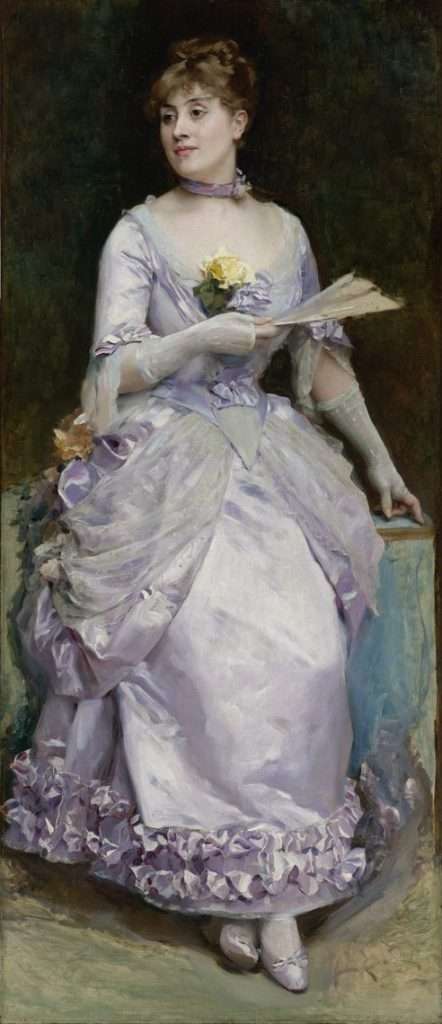
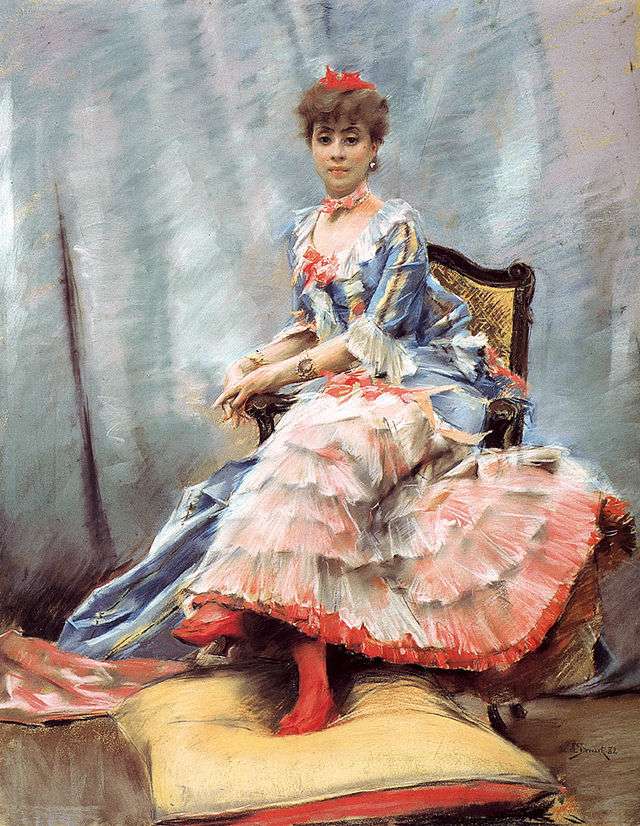
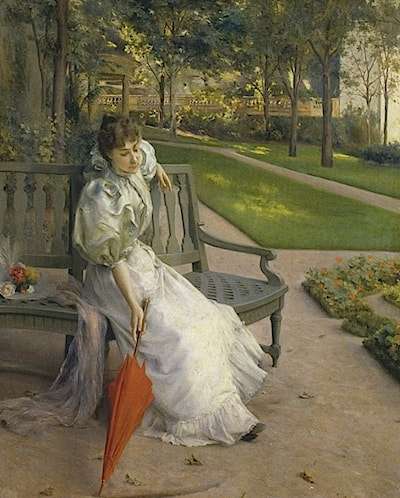
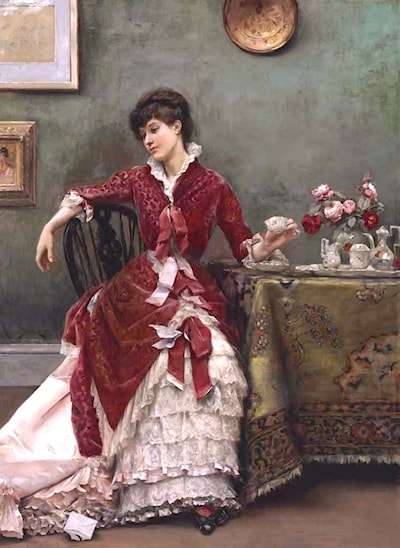
Artists with talent and emotional independence
Though often associated with high-end prostitution, many of those labelled (by themselves or by society) as demi-mondaines, particularly by the late 19th century, had independent careers as performers. Their talents as artists, dancers, singers, and actresses not only sustained them financially but also granted access to elite circles.
In contrast to courtesans—whose role was seen to have faded with the fall of the Empire—mid-century paid mistresses who did not work were sometimes referred to as archidrôlesses. But the defining trait of the demi-mondaine was precisely her ability to work—and to do so in multiple domains.
In a sense, while the institution of marriage was a public contract, the relationships of the demi-mondaines were private arrangements. This produced an interesting paradox: the official “Madame So-and-So” held her gatherings behind closed doors, while the demi-mondaine hosted hers in public venues, often performing as part of the entertainment. Whereas a wife was expected to manage a household and raise children, a demi-mondaine rarely did. Her focus was social and artistic, not domestic.
Jane Avril
The can-can dancer Jane Avril offers a telling example of this world, particularly during the transition from the 19th to the 20th century. Before se became one of the muses of La Belle Èpoque, she was just the daughter of La Belle Elise, herself a well-known demi-mondaine. When Elise became pregnant, her lover, the Italian marquis Luigi de Font, abandoned both mother and child. That child grew up to be Jane Avril.
Jane would also later serve as an example of a grim pattern that haunted many demi-mondaines of the era. The opportunistic men who targeted their wealth. At 42, she married Maurice Biais. He squandered her fortune and left her in destitution by the time of her death in 1926.
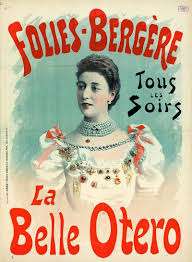
This threat was not uncommon—even the most celebrated figures in demi-monde society were not immune. La Belle Otero, for instance, encountered something similar in her youth. Drawn to Paris by the opportunities surrounding the 1889 Universal Exposition, she married an opera singer known as Count Guglielmo—a notorious womaniser and gambler. He exploited her success to pay off his debts. In one particularly humiliating episode, she forgave him for an affair with her maid. She was just 21 at the time—and she never married again.